
Tips for Choosing Calm Colors to Create a Relaxing Home
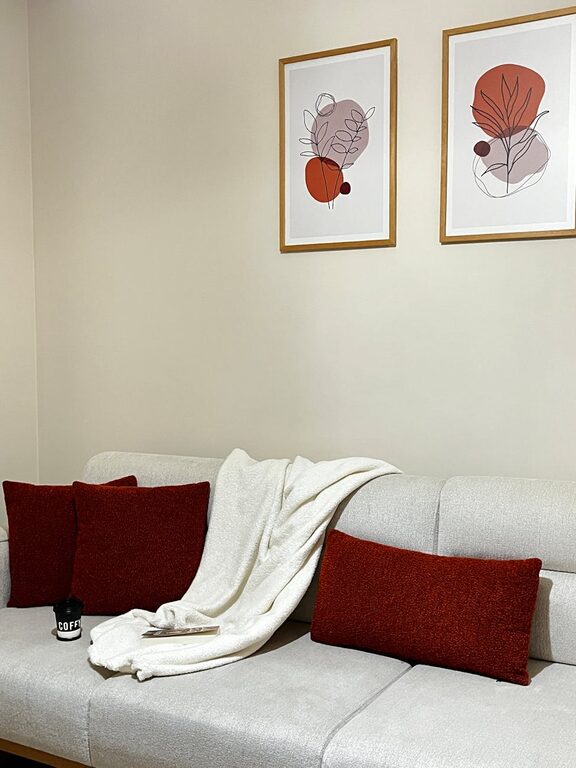
Creating a tranquil and inviting atmosphere in your home often starts with the colors you choose for your walls and décor. Calm colors have the power to soothe your mind, reduce stress, and make your living space feel more comfortable. But with so many shades to choose from, how do you pick the right colors that promote relaxation? This guide offers practical tips to help you select calm colors for your home that reflect your personal style while enhancing the peacefulness of your space.
Why Choose Calm Colors for Your Home?
Before diving into color choices, it’s helpful to understand the benefits of calm colors. These hues tend to:
– Lower feelings of anxiety and stress
– Promote better sleep and relaxation
– Make rooms feel more spacious and airy
– Create harmony and balance in your décor
Whether it’s a bedroom, living room, or even a home office, calm colors can transform your home into a restful retreat.
Understanding Color Psychology
Color psychology explores how colors affect mood and emotions. While personal preferences vary, some colors are widely known for their calming effects:
– Blue: Often associated with tranquility, blue can slow the heart rate and promote a sense of calm.
– Green: Reminiscent of nature, green is refreshing and relaxing, perfect for creating balance.
– Soft neutrals: Shades like beige, ivory, and soft gray offer simplicity and warmth without overwhelming the senses.
– Pastels: Light lavenders, blush pinks, and pale yellows can add a gentle, soothing touch.
Tips for Choosing Calm Colors
1. Consider Your Room’s Purpose
Start by thinking about how you use the room. Bedrooms benefit from softer blues or greens for relaxation, while living rooms may embrace warm neutrals that invite comfort. A calm color for a study might be a muted green or gray to help focus without distraction.
2. Test Colors in Natural Light
Colors can look very different depending on lighting. Before committing, test paint samples on your walls and observe them at different times of day. Natural light brings out the truest tones, helping you find the perfect calm shade.
3. Use a Color Palette for Balance
Choose a base color and then add complementary shades. For example, a soft blue wall can be paired with off-white trim and accents in muted wood tones or soft beige furnishings. This layering helps create depth while keeping the mood serene.
4. Choose Matte or Satin Paint Finishes
Glossy paints reflect more light and can appear more intense. Matte or satin finishes absorb light softly, enhancing the calming effect of the color without glare.
5. Incorporate Textures and Patterns
Calm colors don’t have to be boring. Add interest with textured fabrics, natural fibers, or subtle patterns like soft stripes and organic shapes. This adds coziness while maintaining a tranquil vibe.
6. Avoid Overpowering Bright Colors
Bright reds, yellows, and neon shades can be energizing but may disrupt a calm environment if overused. Instead, use these colors sparingly as accents (like cushions or art) if you want pops of vibrancy without overwhelming the space.
Popular Calm Color Choices for Different Rooms
Bedroom
– Soft blue
– Light sage green
– Warm beige
– Pale lavender
Living Room
– Greige (a mix of gray and beige)
– Dusty rose
– Soft taupe
– Muted teal
Bathroom
– Seafoam green
– Pale aqua
– Light gray-blue
Home Office
– Light gray
– Pastel green
– Soft sky blue
How to Pair Calm Colors with Décor
– Furniture: Choose natural materials like wood and linen upholstery to complement calm colors.
– Accessories: Add simple, minimalist décor items in muted tones to maintain serenity.
– Plants: Indoor plants bring life and freshness while harmonizing with green-based color schemes.
– Lighting: Use soft white or warm LED bulbs to enhance the soothing atmosphere your colors create.
Final Thoughts: Embrace Your Personal Calm
Ultimately, calm colors should feel good to you. Take your time exploring swatches and envisioning how they will make your space feel. Remember that you can always add warmth and personal touches with accents and textures. When chosen thoughtfully, calm colors help you create a home that’s not only beautiful but also a peaceful sanctuary.
Feel inspired to refresh your space? Start by selecting a few samples and see which calm colors bring you the most comfort. Your relaxing home awaits!