
Simple Ways to Reduce Household Paper Clutter for a Tidier Home
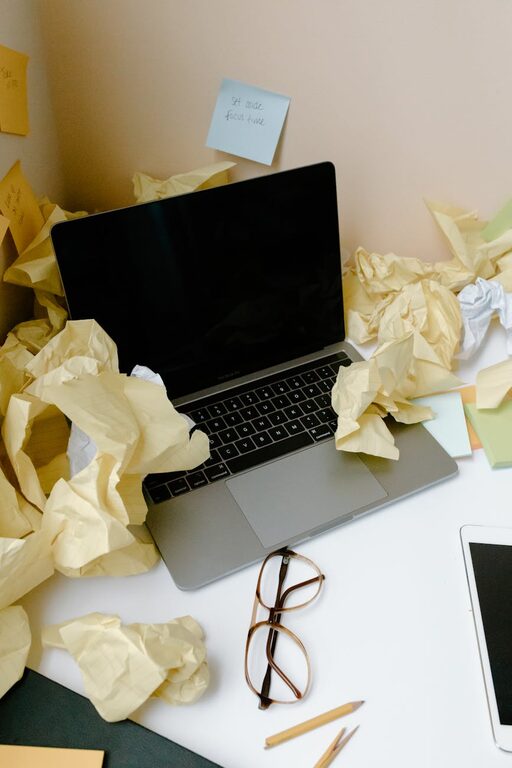
Reducing paper clutter is one of the easiest ways to make your home feel more organized and peaceful. Papers from bills, receipts, mail, and school projects can pile up quickly, creating unnecessary mess and stress. Fortunately, with a few simple strategies, you can manage and reduce household paper clutter effectively. This post will guide you through practical tips to help you keep your papers in check and maintain a tidy home.
Why Paper Clutter Happens
Paper clutter builds up because we often keep things “just in case,” such as bills, documents, or notes. Recycling bins may be inconvenient, and sorting through paper can feel overwhelming. Understanding this can help you develop habits to prevent accumulation.
Start With a Paper Audit
Before diving into organizing, take some time to review all the paper you currently have.
– Gather all papers from different areas of the house.
– Sort them into categories: important documents, bills, receipts, personal notes, junk mail, kids’ artwork, etc.
– Decide what to keep, what to digitize, and what to discard.
This initial step helps you see the scope of the clutter and prepares you to create a system that works.
Go Digital Where Possible
Scanning important documents and storing them electronically can drastically reduce physical paper.
– Use smartphone apps or scanners to digitize bills, receipts, tax documents, and warranties.
– Organize digital files into folders on your computer or cloud storage with clear labels.
– Set aside regular times to scan and shred documents to prevent buildup.
Many businesses also offer paperless billing and statements—sign up to reduce incoming mail.
Create a Dedicated Paper Station
Designate a specific spot in your home for handling paper daily.
– Use a small desk or a section of the kitchen counter.
– Have trays or folders labeled “To Pay,” “To File,” and “To Shred.”
– Keep essential supplies nearby: pens, stamps, and a shredder.
Consistency in using this station helps manage incoming papers quickly and prevents piles from spreading around the house.
Sort Mail Immediately
One of the biggest contributors to paper clutter is mail. Here’s how to keep it in check:
– Sort it as soon as it arrives into categories (bills, junk, personal).
– Recycle junk mail immediately.
– Open and deal with bills and invitations the same day.
– Place important mail in your “To Pay” or “To File” trays promptly.
This small daily habit can prevent mail from becoming overwhelming.
Use Filing Systems
For papers you must keep, invest in a simple filing system.
– Use labeled folders inside a filing box, drawer, or cabinet.
– Categories can include insurance, medical records, taxes, warranties, and home documents.
– Review and purge files regularly, such as every 6 months.
Keeping files organized and accessible will save time whenever you need to find something.
Limit Paper Intake
Reducing the amount of paper entering your home can significantly cut clutter.
– Unsubscribe from unsolicited catalogs and mailing lists.
– Opt out of junk mail through services that handle mailing preferences.
– Encourage paperless communication with schools and service providers.
– Ask companies to send receipts by email instead of paper.
Being proactive helps reduce clutter from the start.
Handle Kids’ Papers Thoughtfully
Children’s artwork, schoolwork, and notes can quickly take over.
– Display a rotating selection on a bulletin board or fridge.
– Photograph or scan artwork before recycling older pieces.
– Keep favorite school papers in a designated folder or binder.
– Encourage children to help sort their papers monthly.
This approach cherishes creativity while preventing piles from growing.
Shred Sensitive Documents
Keep sensitive information safe by shredding papers you no longer need.
– Invest in a home shredder or use community shredding events.
– Regularly shred expired documents like bank statements, credit offers, or personal records.
– This reduces clutter and protects against identity theft.
Don’t forget to shred as you discard to keep your home and information secure.
Regular Maintenance Is Key
A clutter-free home requires ongoing effort.
– Set aside 10–15 minutes weekly to go through your paper station.
– Recycle, file, or shred excess papers immediately.
– Adjust your system as needed to fit changing household needs.
Consistency is the best defense against future paper clutter.
—
By incorporating these simple strategies into your routine, you can reduce paper clutter and enjoy a more organized, peaceful home. Remember, the goal is not perfection but creating habits and systems that support your lifestyle. Start small, stay consistent, and watch your paper piles disappear!