
Beginner Tips for Backyard Birdwatching: A Friendly Guide
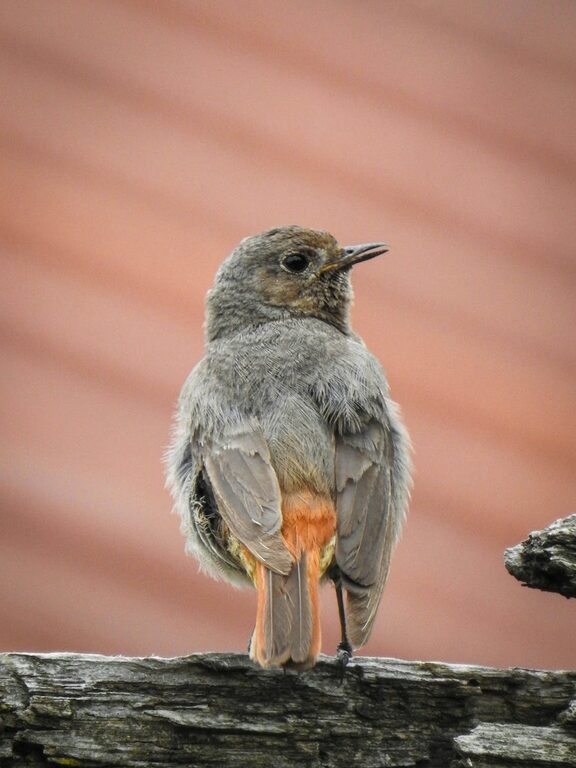
Birdwatching is a wonderful way to connect with nature, enjoy some peaceful moments, and learn about the diverse bird species around you. You don’t need to travel far or have special equipment to get started—your own backyard can become a birdwatcher’s paradise with a little effort. This guide offers beginner-friendly tips to help you attract birds, identify them, and make the most of your birdwatching experience.
Why Backyard Birdwatching?
Birdwatching at home is accessible and rewarding. It encourages mindfulness, promotes relaxation, and provides an excellent way to learn about local wildlife. Plus, it’s a hobby that can be enjoyed alone or shared with family and friends.
Preparing Your Backyard for Birds
1. Provide Food Sources
Birds visit areas where they can find food easily. Offering a variety of foods helps attract different types of birds.
– Feeders: Use bird feeders to provide seeds, nuts, or suet. Popular seeds include sunflower seeds, millet, and nyjer.
– Natural Food: Plant native shrubs, trees, and flowers that bear berries and seeds or attract insects.
– Water: A birdbath or shallow water source is essential, especially during dry periods.
2. Create Shelter and Nesting Spots
Birds need protection from predators and harsh weather. Provide safe places for them to rest and nest.
– Trees and Shrubs: Plant dense vegetation where birds can hide.
– Nest Boxes: Install birdhouses suitable for species in your area.
– Avoid Chemicals: Use natural gardening methods to protect birds and their food supply.
Choosing the Right Equipment
While birdwatching can be done without tools, certain equipment can enhance the experience.
1. Binoculars
A lightweight pair of binoculars helps you see birds in detail without disturbing them.
2. Field Guide or Apps
A field guidebook or bird identification app can help you learn about species, calls, and behaviors.
3. Notebook or Birdwatching Journal
Recording your sightings builds engagement and helps track patterns over time.
Observing Birds Respectfully
Respect for wildlife is important for enjoyable and ethical birdwatching.
– Keep a quiet distance to avoid scaring the birds.
– Avoid touching or disturbing nests and birds.
– Be patient—watching birds requires time and stillness.
Identifying Birds in Your Backyard
1. Observe Key Features
Look for size, shape, color patterns, beak shape, and behavior.
2. Listen to Bird Calls and Songs
Each species has unique sounds that aid identification.
3. Use Resources
Compare observations with bird guides or apps to confirm identities.
Enhancing Your Birdwatching Experience
1. Keep a Routine
Regular visits throughout the day allow you to see different species and activities.
2. Photograph or Sketch Birds
Capturing images or drawing helps improve observation skills.
3. Join Birdwatching Communities
Online groups or local clubs offer support, knowledge sharing, and social opportunities.
Common Backyard Birds to Look For
Depending on your location, some common backyard visitors include:
– Sparrows
– Blue Jays
– Cardinals
– Robins
– Chickadees
– Finches
– Wrens
Each species brings its unique charm and behaviors.
Troubleshooting and Tips
– If birds aren’t visiting, try changing food types or relocating feeders.
– Clean feeders regularly to prevent disease.
– Avoid large pets nearby that may intimidate birds.
– Be patient; building a bird-friendly yard takes time.
Final Thoughts
Backyard birdwatching is a fun, educational, and rewarding activity for all ages. By providing food, water, shelter, and a peaceful environment, you can invite a variety of birds to visit your space. With observation and a bit of practice, you’ll develop deeper appreciation for these fascinating creatures and the natural world around you. So grab your binoculars and start enjoying the lively world of birds right outside your window!