
How to Keep a Tidy Fridge and Pantry: Simple Tips for Organized Storage
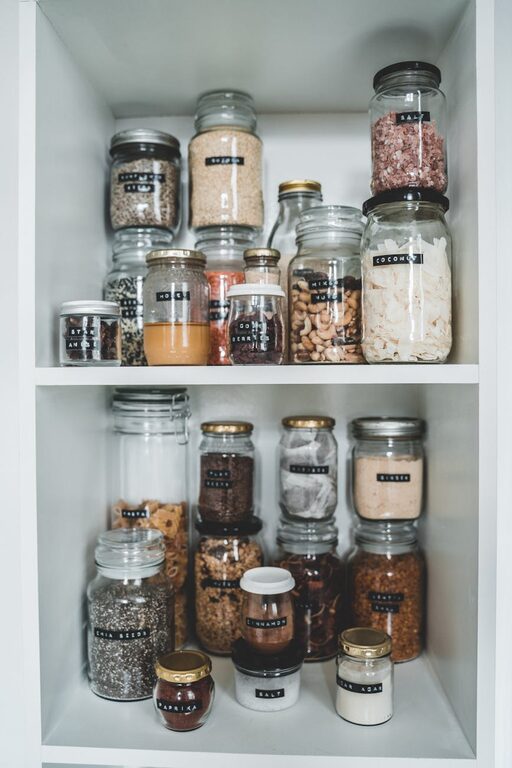
Keeping your fridge and pantry tidy not only makes your kitchen look appealing but also helps you reduce food waste and save money. A well-organized fridge and pantry allow you to quickly find ingredients, plan meals effectively, and maintain a clean cooking space. This post will guide you through practical steps to achieve and maintain an orderly food storage system.
Why Organizing Your Fridge and Pantry Matters
Before diving into organization methods, it’s helpful to understand why maintaining order in these areas is beneficial:
– Prevents food spoilage: When items are easy to see, you’re less likely to forget or overlook them, so food gets used before it expires.
– Saves money: Avoid buying duplicates by knowing exactly what you have.
– Makes meal prep faster: Quickly locate ingredients without digging through clutter.
– Improves hygiene: Cleaning becomes simpler, reducing bacteria and unpleasant odors.
How to Organize Your Fridge
1. Empty and Clean
Start by removing all items from your fridge. Check expiration dates and toss anything spoiled or stale. Wipe down shelves, drawers, and the door interior with a mild cleaning solution or a mix of water and vinegar. Make sure the surfaces are dry before returning food.
2. Categorize Food Items
Group similar items together. Common categories include:
– Dairy (milk, cheese, yogurt)
– Meats and seafood
– Fruits and vegetables
– Condiments and sauces
– Beverages
– Leftovers
Using these categories will help you decide where things should go for ease of access.
3. Assign Zones for Food Types
Most fridges are designed with specific temperature zones. Use this to your advantage:
– Top shelves: Ideal for ready-to-eat foods like leftovers, drinks, and prepared meals.
– Middle shelves: Dairy products fit well here because the temperatures are consistent.
– Bottom shelves: Coldest zone; store raw meat, fish, and poultry in sealed containers to prevent leaks.
– Drawers: Designed for fruits and vegetables. Adjust humidity settings if possible to extend freshness.
– Door shelves: Best for condiments, sauces, and drinks because temperatures fluctuate more here.
4. Use Clear Storage Containers and Labels
Clear containers help you see what’s inside, reducing food waste and clutter. Label containers with contents and dates to easily identify items and monitor freshness.
5. Keep Frequently Used Items Accessible
Place staples you use daily where they are easy to grab. This reduces the time spent searching and minimizes fridge door openings, which helps maintain temperature.
6. Avoid Overloading
A packed fridge restricts air circulation, leading to uneven cooling and faster spoilage. Don’t cram items; leave space for airflow.
How to Organize Your Pantry
1. Declutter and Clean
Remove all items from your pantry and check expiration dates. Throw away anything expired or that you don’t use. Wipe down shelves and floor to remove crumbs and dust.
2. Group Similar Items Together
Organize pantry items by category, such as:
– Grains and pasta
– Canned goods
– Baking supplies
– Snacks
– Spices and seasonings
– Breakfast foods
– Oils and vinegars
Grouping items makes it easier to find things and identify what you need to restock.
3. Choose Appropriate Storage Solutions
Containers and organizers transform your pantry into a tidy space:
– Clear airtight containers: Keep dry goods fresh and visible.
– Labels: Label each container or shelf for easy identification.
– Baskets and bins: Great for grouping small or loose items.
– Tiered shelves or risers: Help you see cans and bottles at the back without shifting everything.
– Lazy Susans: Perfect for spices and condiments.
4. Consider Frequency of Use
Place frequently used items at eye level or front of shelves, and less-used ingredients higher or lower.
5. Use Vertical Space Wisely
Add extra shelving or hanging racks inside pantry doors for spices or small packets.
6. Maintain a “First In, First Out” System
When you restock items, put newer packages behind older ones. This encourages you to use older items first, minimizing waste.
Maintenance Tips to Keep Your Fridge and Pantry Tidy
– Weekly quick check: Spend a few minutes every week assessing what’s expired or nearly empty.
– Monthly deep clean: Schedule a full clean once a month to wipe down and reorganize.
– Meal planning: When buying groceries, plan meals based on what’s already in your fridge and pantry.
– Adjust as needed: Don’t hesitate to rearrange based on what works best for you.
Final Thoughts
A tidy fridge and pantry create a more enjoyable and efficient cooking environment. By regularly decluttering, using smart storage solutions, and organizing based on your habits, you can keep your kitchen running smoothly. Start with one area at a time, and you’ll soon notice the positive impact on your daily routine.
Happy organizing!